Mother Earth : Gaia from Greek Mythology
Gaia comes from ancient Greek stories, where she represented the Earth as a living being. The Greeks believed she was one of the first gods to appear when the world began.
According to these ancient tales, Gaia emerged from Chaos, the first primordial goddess , who was the vast empty space that existed before everything else. Gaia arose from this nothingness and became the Earth itself.
The Greeks saw Gaia as a mother figure who gave birth to many gods, goddesses, and Titans. She was considered the ultimate life-giver, caring for all living things on Earth. The stories tell us that Gaia loved her creation deeply and promised to protect it always.
Mythologies from all around the world connect with this idea of Earth as a living, nurturing force. When we talk about “Mother Nature” today, we’re drawing on this ancient understanding.
Similar earth goddesses appear in cultures worldwide:
- Terra Mater in Roman mythology
- Pachamama in Andean traditions
- Prithvi in Hindu culture
- Jörð in Norse mythology
This universal concept suggests something deep in human nature recognizes Earth as more than just rock and soil. From towering mountains to delicate spring flowers, everything in nature was seen as part of Gaia’s creative energy. She wasn’t a distant goddess – she was present in every tree, rock, and blade of grass. The Earth itself was her body, and everything living on it was part of her being.
This ancient wisdom found new life in the 1970s when scientist James Lovelock proposed the “Gaia hypothesis” – the idea that Earth functions as a single, self-regulating living system. Suddenly, ancient mythology and modern science were saying something remarkably similar: our planet is alive.
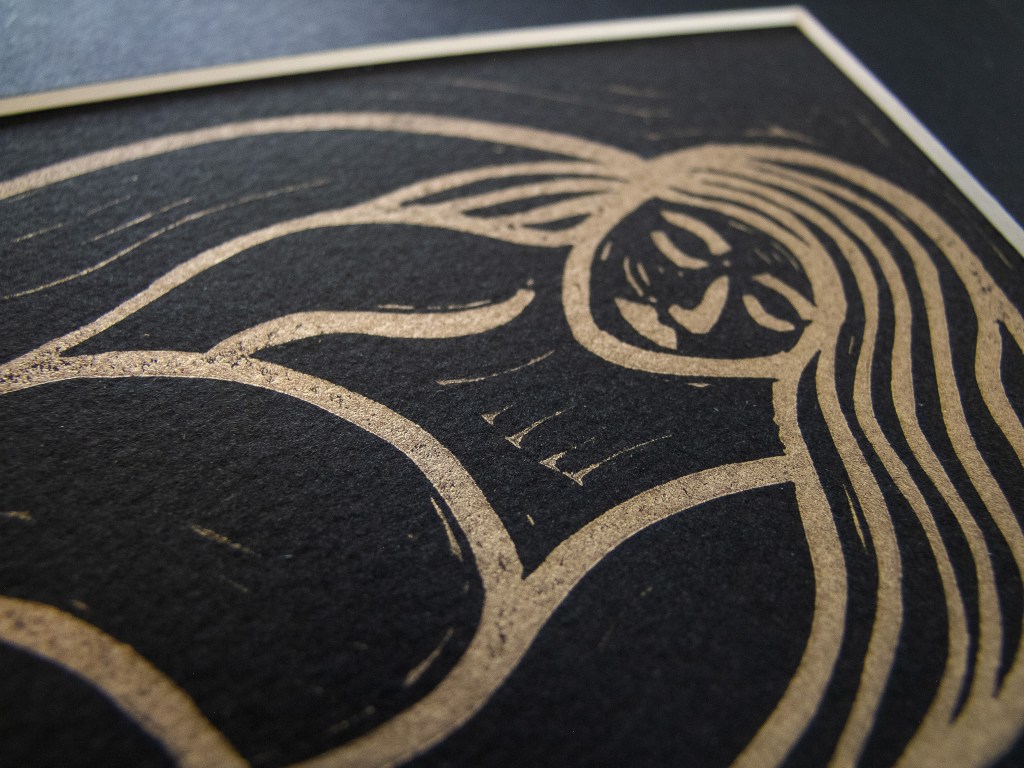


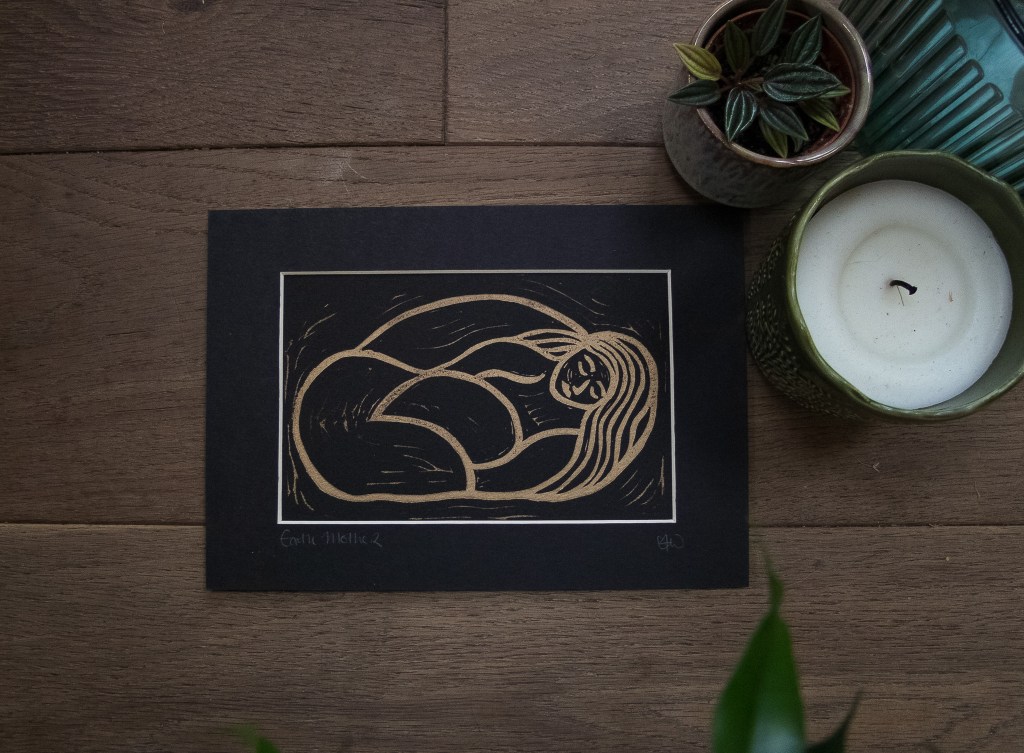
Gaia Rebels
Gaia’s most famous story involves her rebellion against her husband Uranus (the Sky). After giving birth to the Titans, Uranus feared and hated his children, keeping them imprisoned within Gaia’s womb. In response to this cruelty, Gaia made a plan to overthrow him by creating a sickle made of flint and giving it to her son Cronus. When Uranus came to lie with Gaia, Cronus castrated his father, allowing the Titans to rule. Later, when Cronus became ruler and began swallowing his own children to prevent them from overthrowing him (just as he had done to his father), Gaia again rebelled. This time she sided with her grandson Zeus in his rebellion against Cronus. Gaia rebelled against the reigns of all three rulers of the universe (Uranus, Cronus, Zeus), but ultimately had to accept Zeus as the supreme king.
I am planning to do a post about all the different mother earth goddesses, actually planning to do a mother earth calendar for 2027, so ill be researching the various earth mother in the coming months.
Gaia Artwork is available at The Coventina Press
 The Goddess Directory
Leave a reply to Elemental : Earth – The Goddess Directory Cancel reply