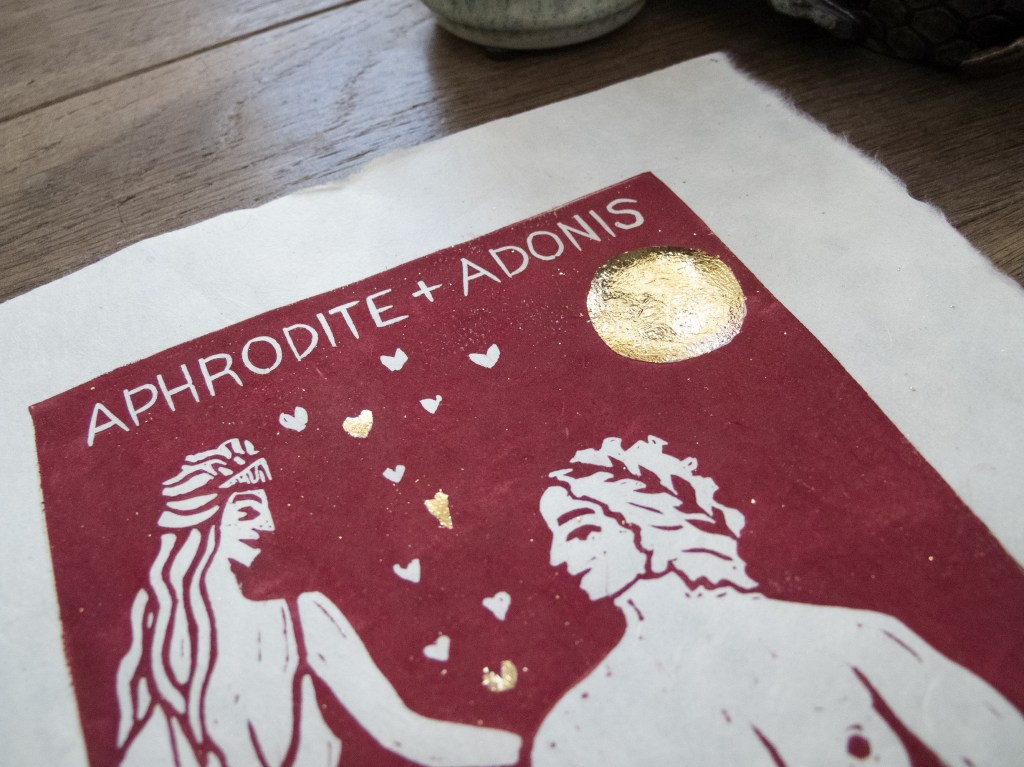
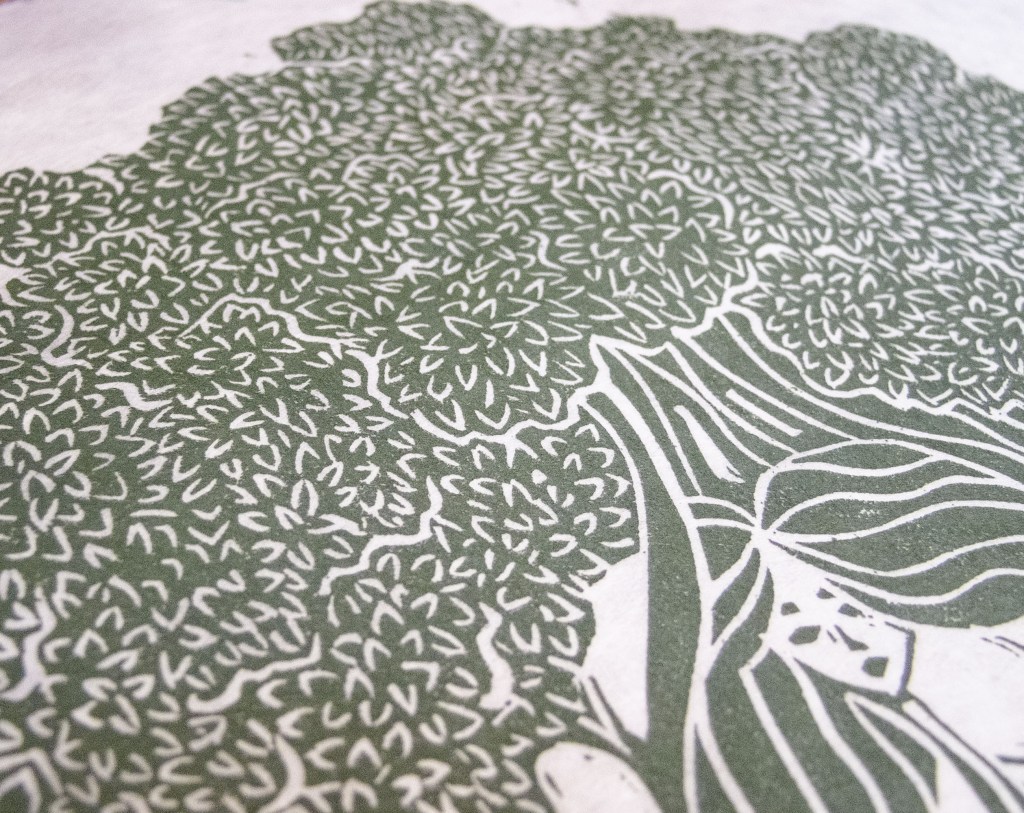
• The Story of Aphrodite and Adonis

    This is quite the story so buckle up and it all starts with a King forgetting to give a sacrifice to Aphrodite. In her anger, the goddess of love and sexual desire. made his daughter, Myrrh desperately wanted to sleep with her own father, the King. The King did his best to stop her advances but in the dark one night she deceived him and they had sex. The King was devastated by this and in his rage he chased his daughter into the woods with an sword! Aphrodite, not wanting Myrrh to actually die from her tricks, swiftly turned her into a tree. A Myrrh tree. The King split the tree in two and from the split was born baby Adonis. I don’t quite know what to say regarding this tale, it’s such a strange and cruel story. I’m going to do a blog post on Aphrodite soon, and talk a bit about her other facets, not just vengeance. But let’s continue for now..

    Aphrodite rescued the baby and as there was no one else to look after him she took him under her wing. However, the baby was so adorable that Aphrodite forgot everything else, she began to neglect her Goddess duties. Eventually she realised that she had to give him to someone else to look after. Persephone took the child and kept him in the underworld.

    Once he had grown in to a beautiful young man, Aphrodite returned and feel instantly in love with the youth. Of course Persephone had also fallen in love with Adonis and refused to let him go. Aphrodite and Persephone got in a terrible argument over him and Zeus himself had to intervene.

    Now this is where the myth splits in to multiple different endings, as is often the case with ancient Greek myths. The first version is that Zeus decided to split Adonis time in three. 4 months for Aphrodite, 4 months for Persephone and 4 months for him to decide himself. A 2nd version says that that they split his time in half and in a final version, Adonis actually gets to choose for himself and choose Aphrodite.

    Adonis grew into a beautiful man, who loves to hunt. The God Ares who was also a lover of Aphrodite was jealous of their love and when Aphrodite was away turned himself in to wild boar and hunted him down. Adonis died in Aphrodite’s arm and as his blood mingled with her tears beautiful anemone flowers sprung up out of the ground. Persephone was delighted as she now had Adonis all to herself in the underworld. Aphrodite mourned his passing every year in a festival called Adonia.

    Quite the story. Artworks available over at The Coventina Press. Original Linocut and Greeting card.
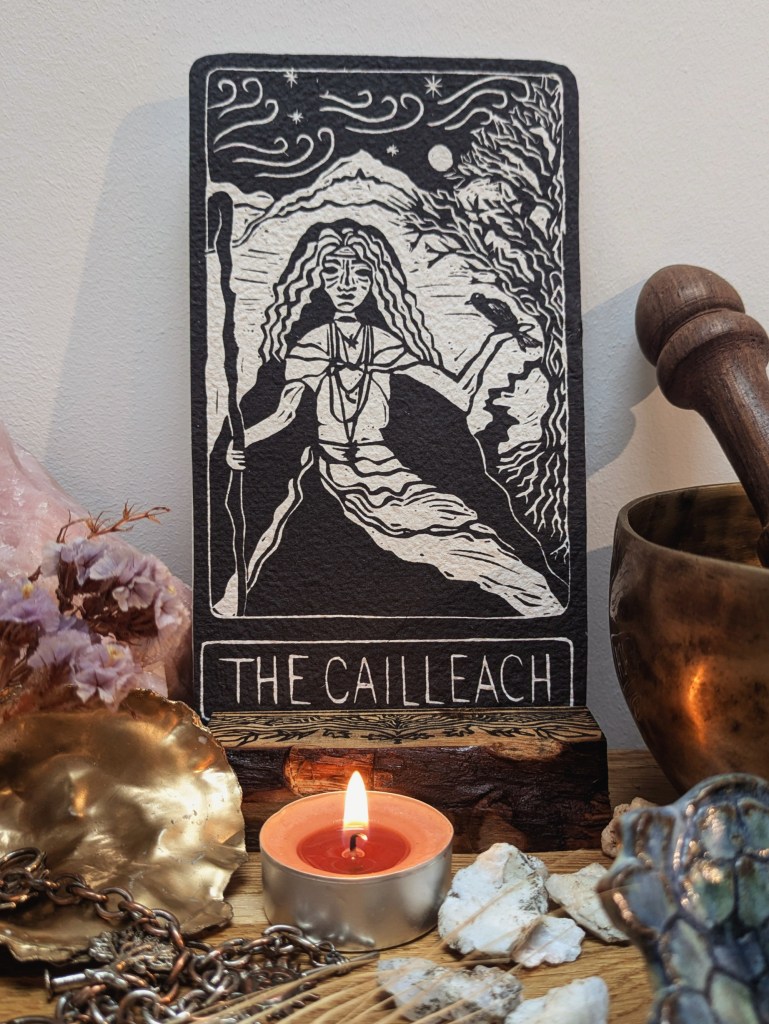
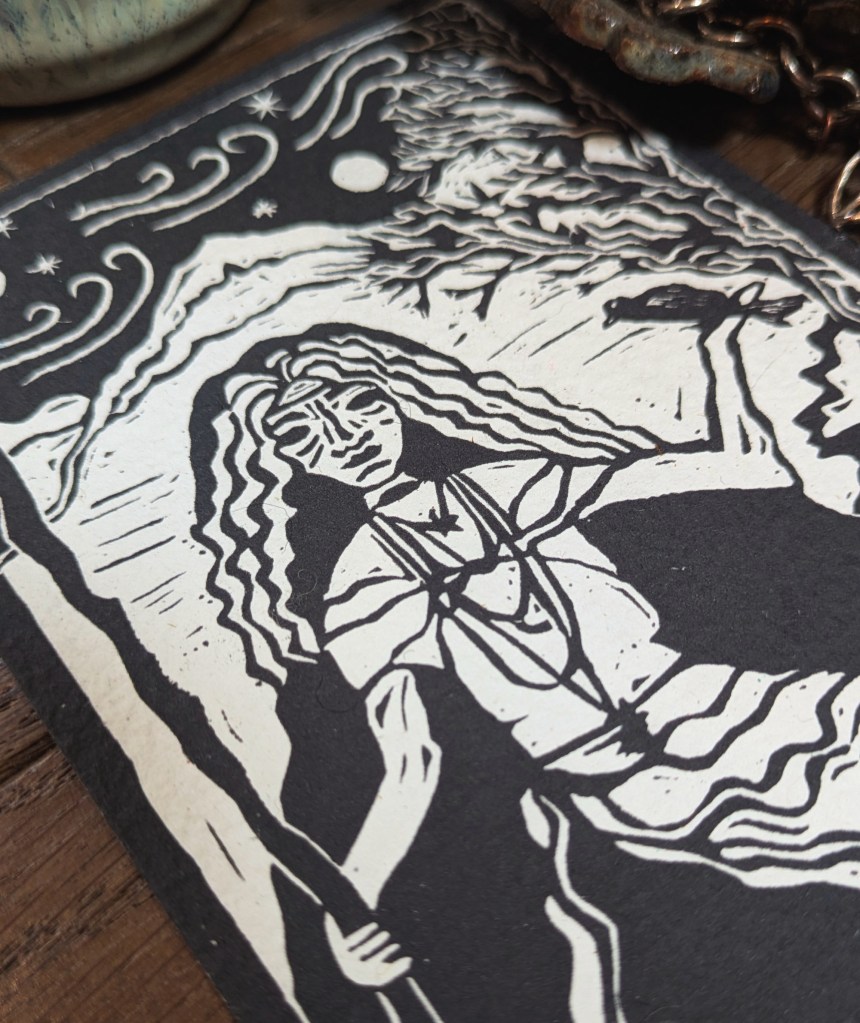
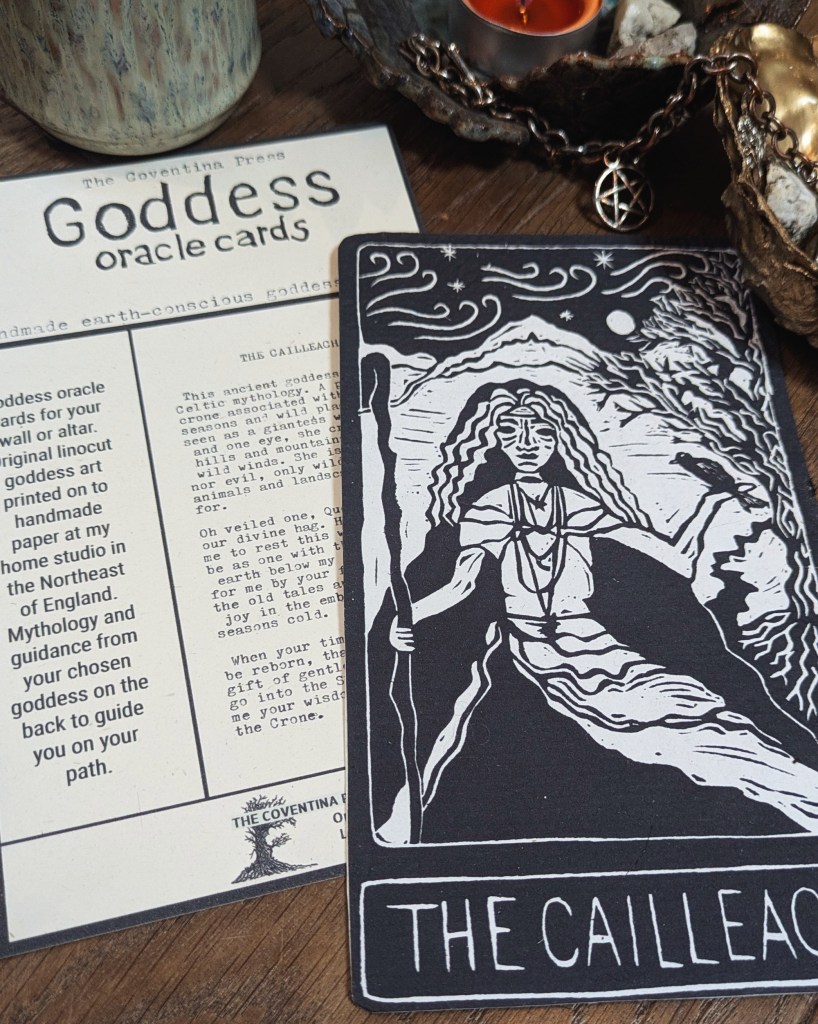
  • Oh veiled one, Queen of Winter, cold and wind. The Divine Hag of the Celtic world.

    The Cailleach, translates from Gaelic as ‘old woman’ or ‘hag’. She is most often portrayed as an elderly woman with a veil, sometimes with only one eye. Her skin was deathly pale and her teeth were often red and she wore clothes adorned with skulls. As old and frail as she appears she could leap and stride across the wild landscape and mountains, and in some traditions could shape-shift into a large bird and fly away. She was ambivalent in nature neither good nor evil. She would help or hinder depending on the respect given to her. As the mother of storms and the winter’s cold she has a wild and often destructive nature. She had a hammer with which is created the rugged landscape of the Celtic world.

    Tales of the Cailleach and Imbolc

    Perhaps the most famous folktale involving the Cailleach is that of Imbolc. On the !st of February each year, the old hag would run out of firewood. If she awoke early she would make sure the day was clear and bright to ensure she had plenty of time to collect enough firewood for the rest of winter. If she slept in, the weather would be stormy, and she wouldn’t have enough firewood to continue the winter. This story is where the belief that a 1st of February which is bright and sunny means winter is over and one which is stormy and grey mean another cold spell will arrive before spring. In america, the Cailleach has been completely forgotten and replaced with the Groundhog but the tradition has lasted just the same.

    Perhaps the most famous folktale involving the Cailleach is that of Imbolc. On the !st of February each year, the old hag would run out of firewood. If she awoke early she would make sure the day was clear and bright to ensure she had plenty of time to collect enough firewood for the rest of winter. If she slept in, the weather would be stormy, and she wouldn’t have enough firewood to continue the winter. This story is where the belief that a 1st of February which is bright and sunny means winter is over and one which is stormy and grey mean another cold spell will arrive before spring. In america, the Cailleach has been completely forgotten and replaced with the Groundhog but the tradition has lasted just the same.

    The Cailleach and Brigid

    The Cailleach is also associated strongly with the Goddess Brigid in that Brigid is the light and the Cailleach is the dark. The Cailleach fades in to Brigid at Beltane and Brigid fades in the Cailleach at Samhain. Winter and Summer doing there annual dance with each other.

    The Queen of Winter

    It is beautiful and refreshing to find ancient magical folklore where the ‘old hag’ isn’t some gruesome malevolent being intent on causing harm, but just apart of nature, of the winter months and the sleeping of the world, of storms and ice and cold. The hibernation of winter is just as important as the blossoming of spring and the abundance of summer and the queen winter should be admired and cared for, just as the Cailleach is in Perthshire every year.

    Artwork

    Head over to The Coventina Press where you can find all my current goddess artwork, including The Cailleach Oracle card.
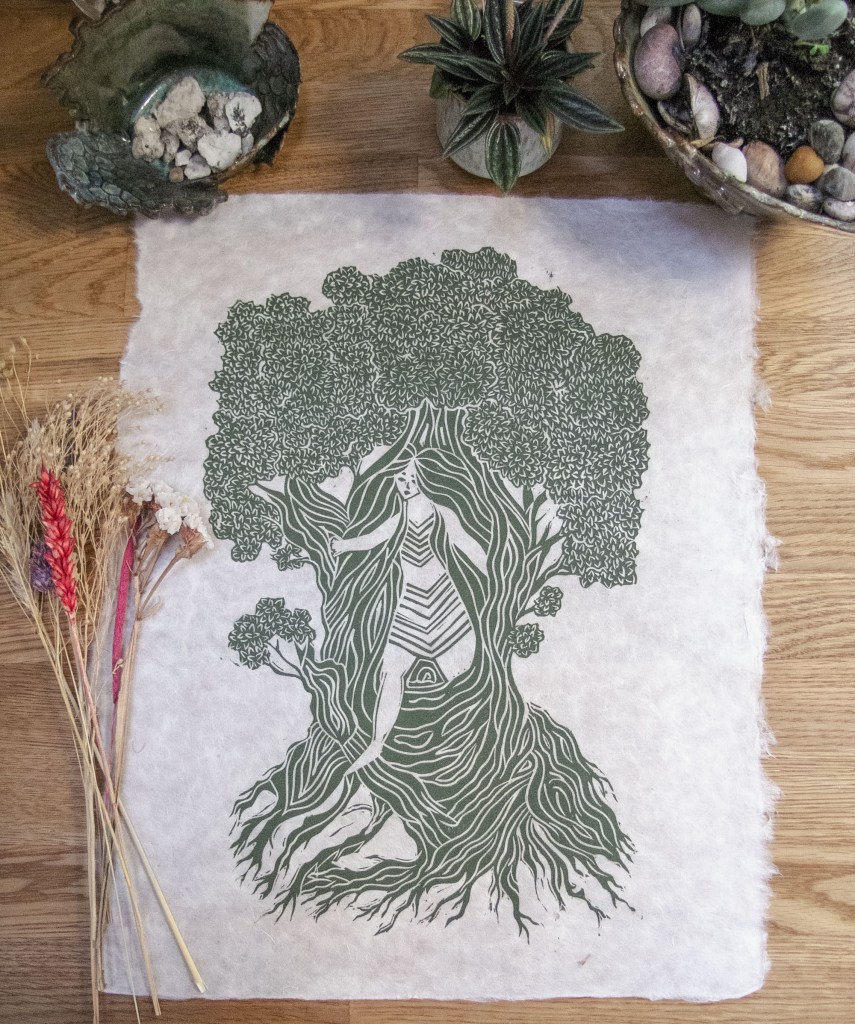
  • Morgana – enchantress, high priestess of Avalon

    Morgana Le Fay is an enchantress, fairy-queen and high priestess of Avalon from the Arthurian Legends. In the earliest myths, she was a benevolent goddess and wise healer who helped Arthur in his quests. In medieval times Morgan became the antagonist of the story, often depicted as Arthur’s half sister who tempted him and did everything in her power to push him off his path. In these versions she was a sorceress, a witch, a seductress. Whichever Morgan you see,  she will always be powerful, beautiful and extremely magical.

    Key characteristics from Arthurian stories

    She is extremely powerful, renown for her magical abilities, often using them to challenge Arthur and his knights. She is skilled in illusions, enchantments and potions. Her morality is often ambigious, she isn’t portrayed as purely evil but her motivations are complex and even when her actions come across as villainous. She often plays the role as Lover and Betrayer to Arthur, as the antagonist.

    The mists of avalon book takes a close look at Morgana and it is an interesting read from a female perspective.

    Artwork

    Morgana Square Linocut Print

    Morgana Oracle card

    Morgana Greeting card

    Miniature Morgana Print

    I think I might be a little bit obsessed with her…. but aren’t we all? Back with more goddesses soon, bye!

  • The Lady of the lake

    The lady of the lake is a well known ethereal character from the mythology of Arthur. She is often depicted as a powerful sorceress, a High Priestess of Avalon. She is the guardian of the legendary sword of Excalibur, and in many stories she rises from the lake and presents the sword to King Arthur. and is one of his greatest supporters.

    She is connected to Merlin, sometimes as his lover, his pupil and eventually she surpasses his magical ability.

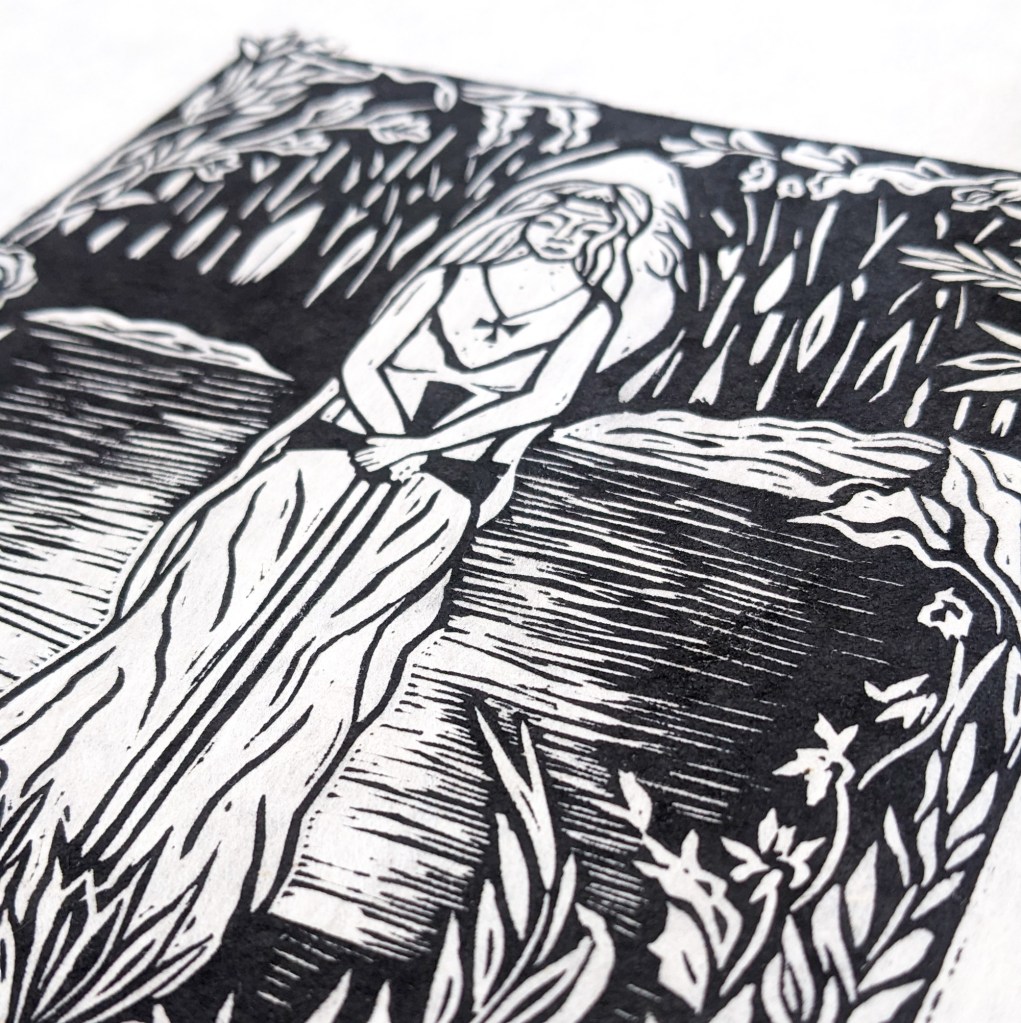
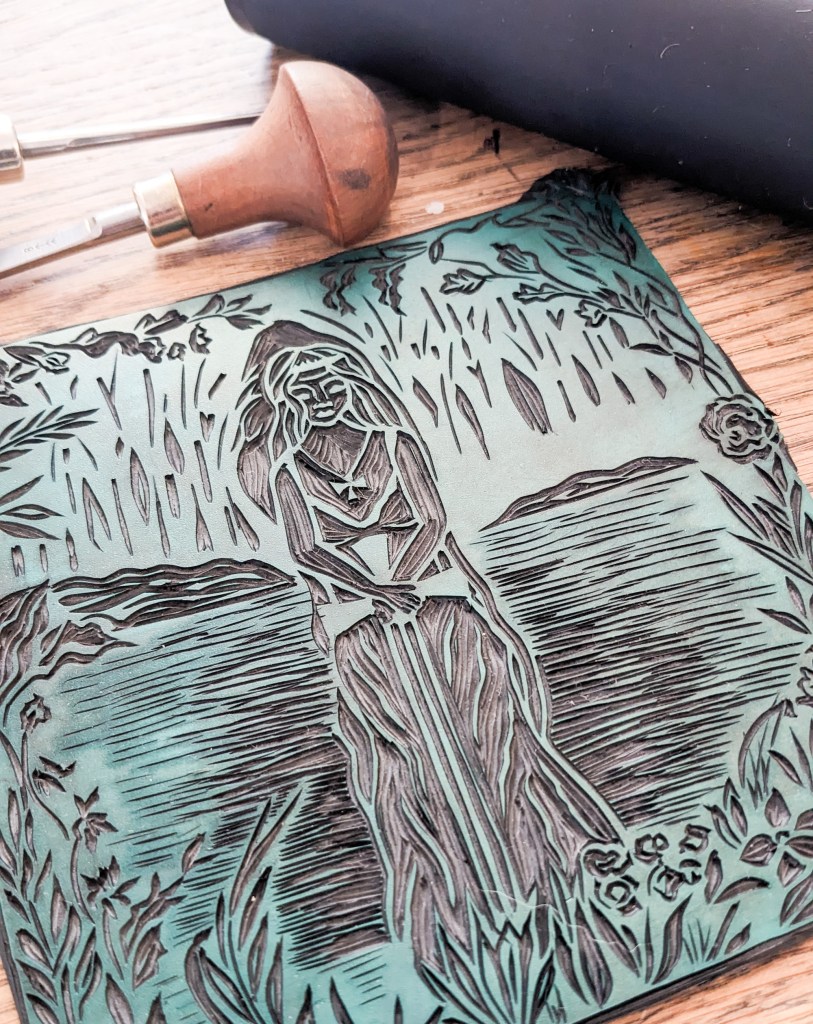
    The lady of the lake has had many names, Viviane, Nimue, Ninianne and even sometimes Morgana. Is the lady of the lake simply another role of the High Priestess of Avalon perhaps?

    Regardless of her name, she is a powerful, mysterious figure and she has always captivated me. I would recommend reading The Mists of Avalon by Marion Zimmer Bradley if you have an interest in the female perspective behind the Arthurian Myths.

    The lady of the lake hand printed linocut print is available to buy here and as a greeting card here.

  • Greek Goddess Lyssa – Rage Personified

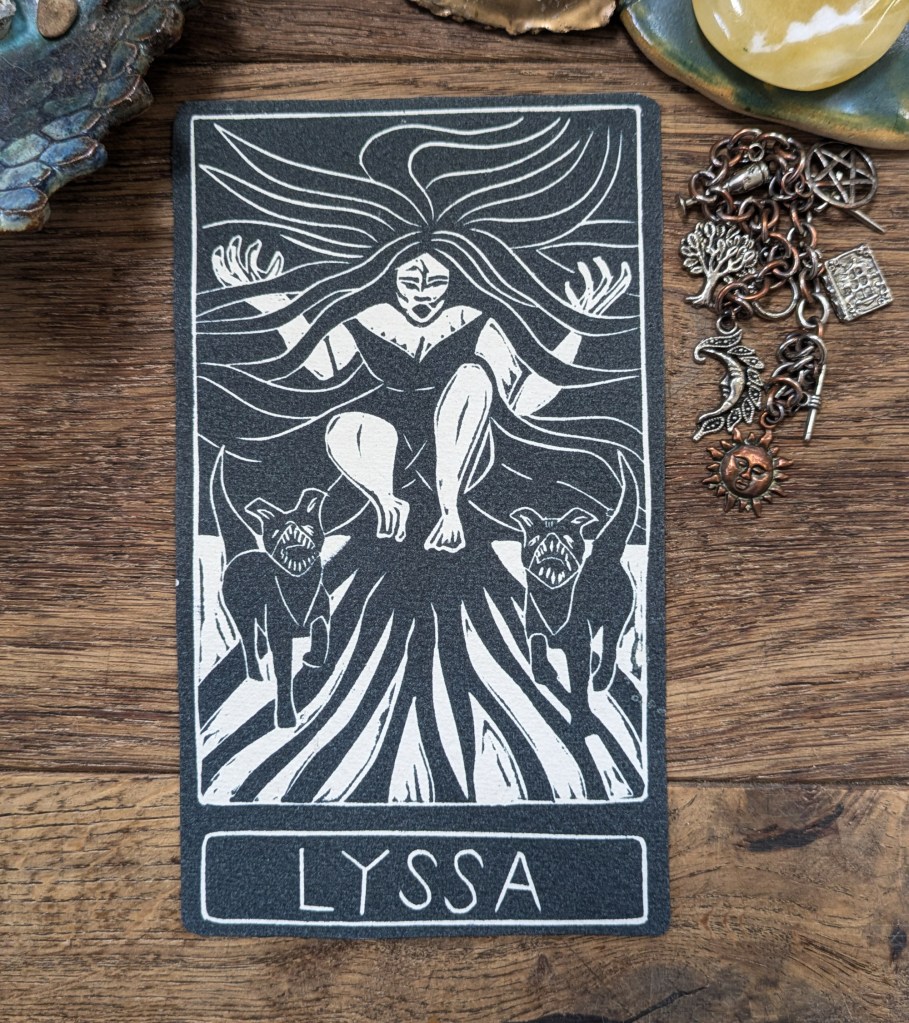
    Greek Goddess Lyssa is the personified spirit, or Daimon of rage and fury. She can drive animals to madness with rabies, setting them on her targets and was often used as weapon, as the divine response to injustice, betrayal, and the violation of natural order. When mortals committed acts that demanded cosmic retribution, it was often Lyssa who arrived.

    Myths surrounding Lyssa

    Heracles and the Madness

    Hera was jealous of her husband Zeus’s son Heracles and wanted to destroy him. She asked Lyssa to drive the hero mad. But Lyssa hesitated as she knew Heracles was a good man who had helped both gods and humans.

    The Daughters of Proetus

    King Proetus had three daughters who became extremely vain and claimed they were more beautiful than the goddess Hera. Lyssa punished their arrogance by driving them mad, making them wander the countryside believing they were cows. They were only cured when they properly honored the gods and showed humility.

    The Death of Pentheus

    King Pentheus of Thebes refused to acknowledge Dionysus as a god and banned his worship. Lyssa worked with Dionysus to punish this disrespect by driving all the women of Thebes into a religious frenzy. In their madness, they killed Pentheus—including his own mother, who didn’t recognize him.

    The Death of Actaeon

    The hunter Actaeon watched the goddess Artemis bathing naked in a lake. Furious at being seen, Artemis turned him into a stag. Lyssa then drove his own hunting dogs mad with rabies, and they tore their former master apart, not recognizing him in his new form.

    The Madness of Ajax

    After the Trojan War, the Greek hero Ajax felt he deserved Achilles’ armor but it was given to Odysseus instead. In his rage and humiliation, Lyssa afflicted him with madness. Ajax slaughtered a flock of sheep thinking they were his enemies, and when he realized what he’d done, he killed himself in shame.

    Goddess Lyssa guidance in today’s world.

    Lyssa embodies the raw force of feminine rage, and though her energy in terrifying, it can also hold immense potential for positive change in the world.

    Society dismisses women’s anger as “hysteria” or being “too emotional.” But Lyssa shows us that feminine rage can be sacred and necessary. Throughout history, women’s anger has driven major social changes—from suffragettes fighting for the vote to #MeToo exposing abuse.

    Feminine rage isn’t something to suppress or apologize for. Like Lyssa’s divine fury, it often signals real injustice and can be the catalyst for positive change. The problem isn’t women’s anger—it’s the systems that try to silence it.

    Sometimes rage is exactly what the situation calls for.

    Feminine rage is the fire ignited in your belly by social injustice, by the indignities and cruelties inflicted upon so many. It is the heartbreak for the path humanity is on.

    Girls are often taught to suppress their rage, even when disrespected, expected to just let it go. Yet when harnessed and unleashed, it becomes a catalyst for change.

  • The Scottish Selkie – Seal women

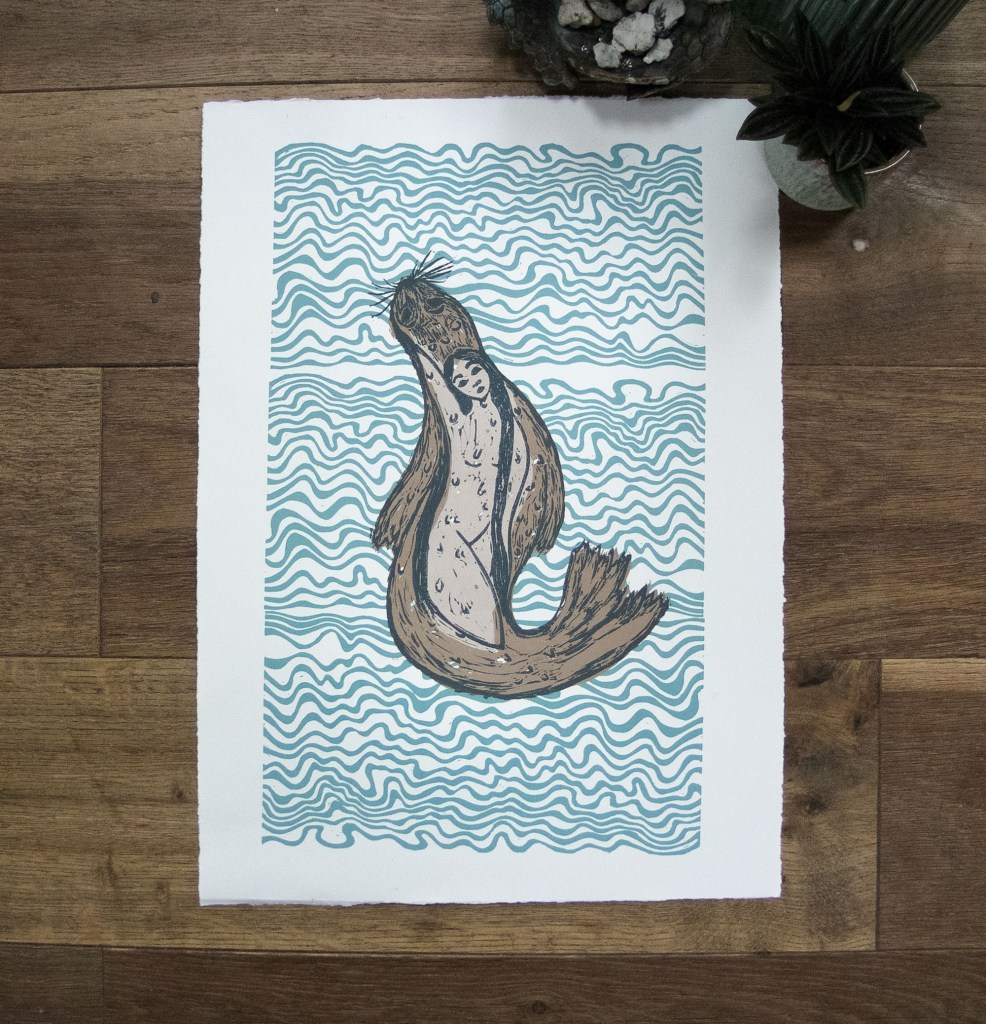
    The Selkie, or seal-folk are large seals found in the Northern Isles of Scotland that have the ability to shapeshift into human form. These fascinating mythical creatures have captured the imagination for centuries and feature in many stories from Celtic Folklore.

    At the heart of Selkie lore lies their ability to transform. When on land, selkies shed their seal skin, revealing a beautiful human form. Their skin is their connection to the sea and without it they are trapped on land.

    Many folktales can be found with motif of the skin of the female selkie being stolen by a man and her being coerced into a relationship for many years, unable to change back and regain her freedom and true self but forever yearning for the ocean, even if she develops a love for her human family, and once she found her skin she would leave and never look back.  Other stories exist where the Selkie does fall in love and chooses to live on land, but can never escape from the lure of the Sea, of her true self and eventually the sea always wins. They are stories of being pulled in two directions, the longing for freedom and the pull of love and connection existing in a duality.

    The Selkie hand printed linocut print is in my store here and is available as a greeting card here

    Back with more goddesses soon, bye!

  • The Merfolk – The Mythology of Mermaids and Sirens

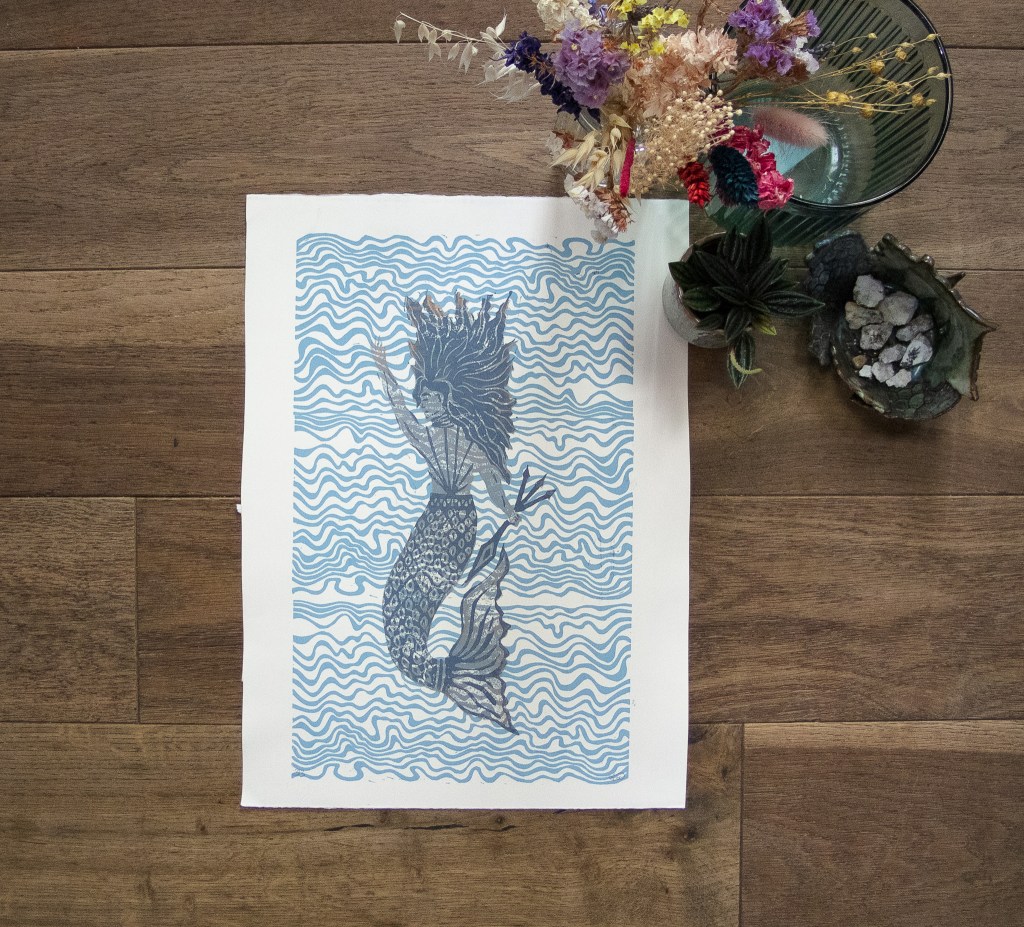
    Merfolk have a long and interesting history, they have been given many names and many shapes, starting in 1000BC in Assyria. The fertility goddess Atargatis became a mermaid after casting herself into a lake from shame and grief after losing her lover. She transformed in to a fish, but her divine beauty could not be contained and her upper half returned to being the shape of a woman.

    In greek mythology, before mermaids there were sirens. Sirens were half woman, half bird. They were scary creatures who would kill any sailor who saw them. Sirens transformed over the centuries into mermaids and are often depicted as mermaids today. Both mythical creatures were seducers, and were very dangerous. Mermaids are said to have a beautiful voice that could lead sailors to their death.

    Mermaids became a part of the sailor culture and many sightings of them existed from as far back as the 1st century with the Romans in Gaul, all the way up to the present. Christopher Columbus believed he saw mermaids in the Caribbean.

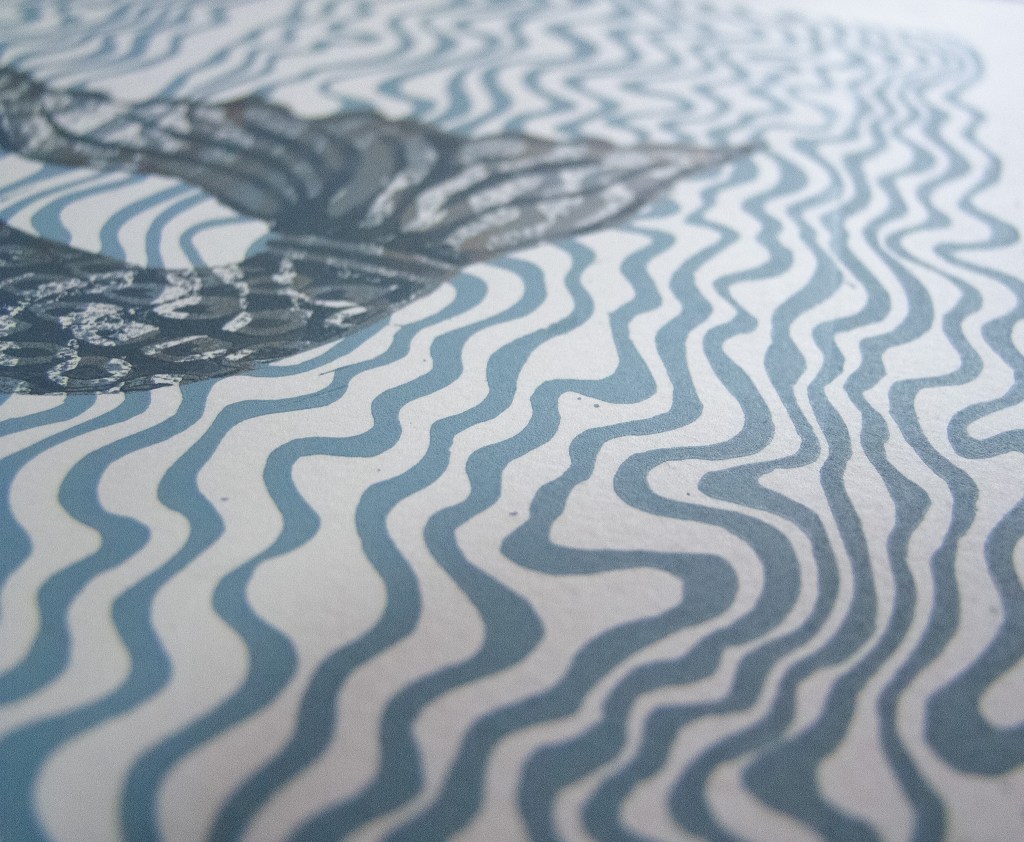
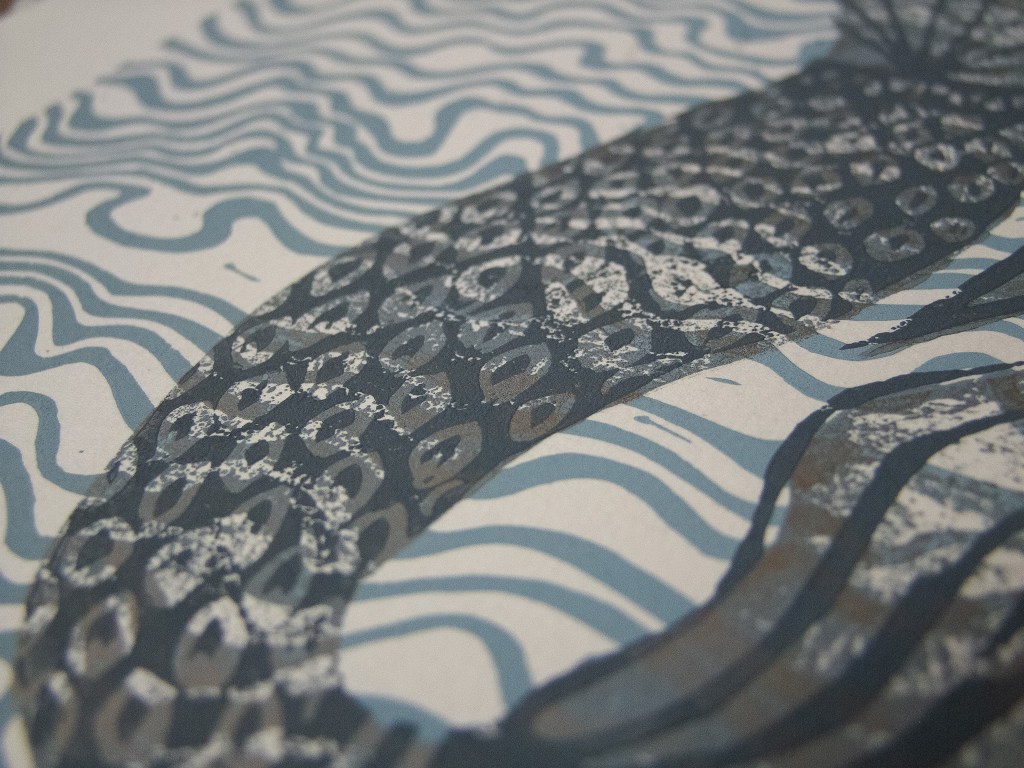
    The Merfolk hand printed linocut is currently sold out but the greeting card is available to buy here

  • Pachamama – South America’s Mother Earth from Incan Mythology

    The Meaning of Pachamama

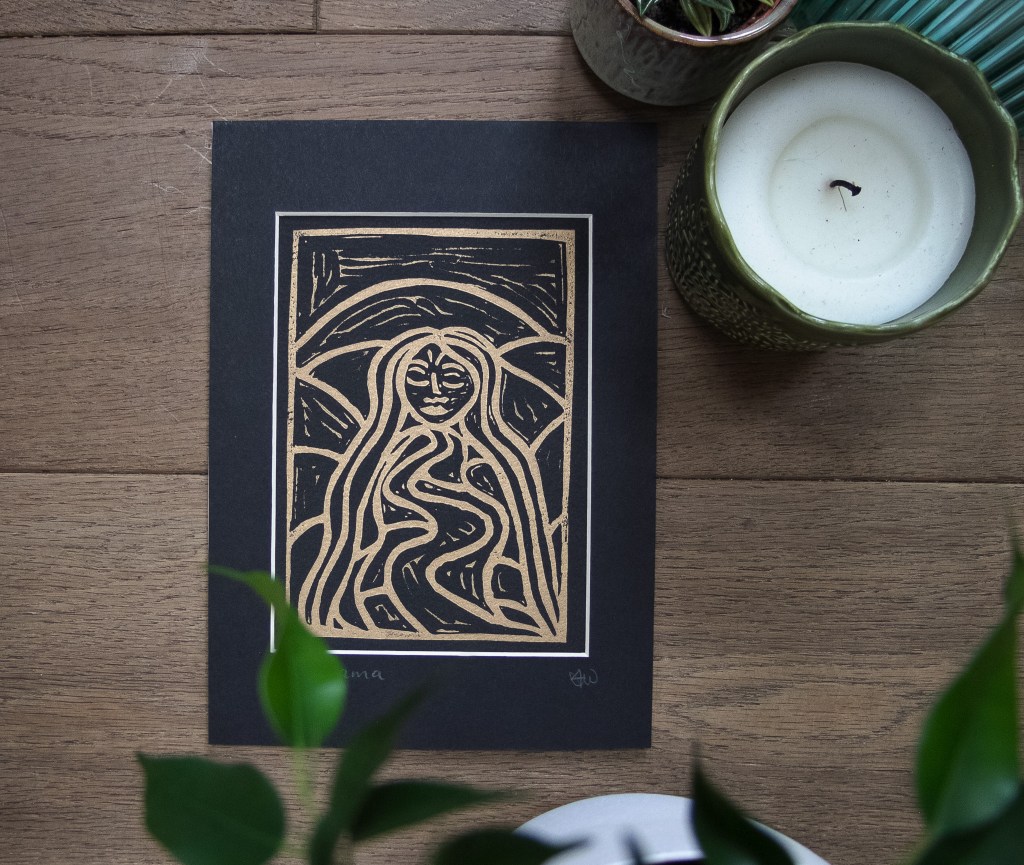
    Pachamama is more than just a deity in Andean culture, she embodies the very essence of Mother Earth, nurturing and sustaining all living beings. Understanding the meaning of Pachamama goes beyond simple folklore, it delves into a deep connection with the land and the natural world. She is a representation of nature and the life cycle. She is the fertility of the land and the fertility of people on it. She holds a sacred place in Andean culture especially around themes of generosity, abundance and reciprocity.

    The origins

    The roots of Pachamama can be traced back to the ancient Andean civilizations, where the reverence for the earth and its bounties was central to their way of life. This deep connection with nature was ingrained in their daily rituals, agricultural practices, and spiritual beliefs. Pachamama represented the fertility of the land, the abundance of crops, and the cycles of life and death. Through ceremonies and offerings, the Andean people honored and appeased Pachamama, seeking her blessings and protection. In the ancient myths of Incan culture there is always duality. Each female thing had to have male counterpart. Pachamama had Inti the Sun god as her male opposite. There was also Kay Pacha, the earth world and Hanna Pacha, the heaven world to name just one other pairing.

    Modern World

    Pachamama is still an important feature of andean culture today, although the ceremonies and beliefs may differ from area to area.. It is still believed by many that she protects the inhabitants of her land and nourishes them if balance can be maintained.This mythology teaches the importance of harmony and respect for the Earth and its gifts and the belief that if we take too much, the Earth will fight back with natural disasters and famine. Gifts are regularly offered to her in a ritual named ‘pago a la tierra’ – payment to the earth at the beginning of August.

    In the words of an ancient Andean proverb, “The earth does not belong to us. We belong to the earth.” We should honor and protect the legacy of Pachamama, as the wisdom gained from this mythology can only be a force for good in this world where we so often take more much than we give.

    The Pachamama hand printed linocut by The Coventina Press is available to buy here

    Back soon with more Goddesses, bye!

  • The Dryads – Nymphs of the trees from different mythologies.

    The Dryads are the nymphs of the trees, groves and woodlands. They are most commonly known as the spirits or fairies of the oaks, poplars, pine and ash, but there are similar stories of tree spirits in lots of mythologies around the world.

    Greek Dryads

    In Greek mythology, they were believed to be the nymphs of the trees, born from the earth itself to protect the forests and all living things within them. Some famous dryads from Greek Mythology are Eurydice and Daphne.

    Norse Mythology

    In Norse mythology, the dryads were said to be spirits of the trees, watching over the woodlands with a fierce and protective loyalty. dryads were known to possess the ability to communicate with trees and manipulate the growth of forests, emphasizing their close connection to nature.

    Celtic Mythology

    In Celtic mythology, the dryads were believed to possess the power to shape-shift into animals, blending seamlessly with the trees they inhabited. The Sidhe Draoi, also known as faery tree spirits are a group of magical beings deeply rooted in Celtic mythologies, known for their mastery of ancient arts and enchantments. These mystical creatures are said to dwell in the hidden realms of the forests, where they use their powers to protect the natural world and its inhabitants. Similar to the dryads, the Sidhe Draoi are believed to possess a profound connection to nature, acting as guardians of the balance between the earthly and spiritual realms.

    Scandinavian Mythology

    The Huldra are mystical beings from Scandinavian folklore, similar to Dryads, they are known for their enchanting presence and affinity for the natural world. These mysterious creatures are said to inhabit the deep forests, where they guard the secrets of the land and maintain the delicate balance of nature. With their otherworldly beauty and alluring charm, the Huldra are capable of captivating even the most wary of travelers who happen upon their domain. However, behind their beguiling facade lies a cautionary tale of those who dare to cross paths with these elusive beings, as their interactions with humans often lead to unforeseen consequences and challenges.

    The Summer Dryad hand printed linocut print by The Coventina Press is available to buy here and as a greeting card here

    Back soon with more goddesses, bye!

  • Dearest Ganga, Goddess of the Ganges

    The Goddess Ganga is the personification of the Ganges River and holds a position of unparalleled reverence in Hinduism. More than just a river, she is a goddess, a life-giving force, and a symbol of purification and spiritual liberation.

    Mythology

    The lore around Ganga’s origins vary but she is often depicted as the daughter of Himavan, the personification of the Himalayas, and Mena, making her the sister of Parvati. Sometimes she is linked to the divine figures of Vishnu or Brahma. A popular myth tells the tale of King Bhagiratha’s arduous penance to bring Ganga down from the heavens to Earth, a feat necessary to liberate his ancestors. Such was the force of her descent that Lord Shiva, one of the Hindu trinity, had to intervene, containing her immense power within his matted hair before releasing her gently onto the earth.

    Attributes

    Ganga is revered as the goddess of purification, believed to cleanse sins and grant moksha, liberation from the cycle of birth and death. Bathing in the Ganges is a sacred act for Hindus, a ritual believed to wash away transgressions and bring spiritual renewal. Beyond spiritual cleansing, Ganga is the lifeblood of millions. The Ganges River provides essential water for sustenance, agriculture, and daily life, making Ganga a symbol of fertility, prosperity, and well-being. Devotees seek her blessings for all aspects of life. The river also plays a crucial role in ancestral rites. Hindus often immerse the ashes of their deceased loved ones in the Ganges, believing it facilitates their souls’ journey to salvation.

    Ganga is typically depicted as a beautiful woman, often riding a makara, a mythical aquatic creature. She can be portrayed holding a pot of water, a potent symbol of her life-giving nature. Numerous temples are dedicated to her, where devotees offer prayers and seek her divine grace. The evening ritual of Ganga Aarti, performed on the banks of the Ganges, is a breathtaking spectacle of devotion. With lamps, incense, chanting, and rhythmic movements, devotees express their reverence for the goddess.

    Ganga is more than just a deity; she is an integral part of the Hindu ethos. She represents purity, life, and the profound connection between the earthly and the divine.

    You can find links to my artwork below.

    Ganga Drypoint limited edition print

    Blessings